High Caffeine Coffee
What is high caffeine coffee?
When you need an energy boost, high-caffeine coffee comes in handy. Selected specifically for its elevated stimulant content, strong coffee has more caffeine in the cup than your average brew. But what gives strong caffeine coffee its signature kick? A high-caffeine content usually comes from the plant itself. You might see Robusta, or a blend with a higher Robusta content, because this coffee naturally contains more caffeine than Arabica.
It’s also how you brew it. For the best high caffeine coffee, longer immersion or drip methods are generally more effective than a pressurised shot. But at Bold Street Coffee, we always come back to the same question: does it taste good? To find out, try it for yourself. Have a cup with a caffeine kick when you’re running on fumes and need to put your best foot forward. Espresso roasts, like our Los Pijao, are built around a syrupy body and chocolate-led sweetness.
For a drink that’s smooth and steady, Pulsa is a Brazilian espresso roast with milk-chocolate depth. The best coffee with the most caffeine is the one that starts your day off right.
Locations
We're always brewing good times nearby
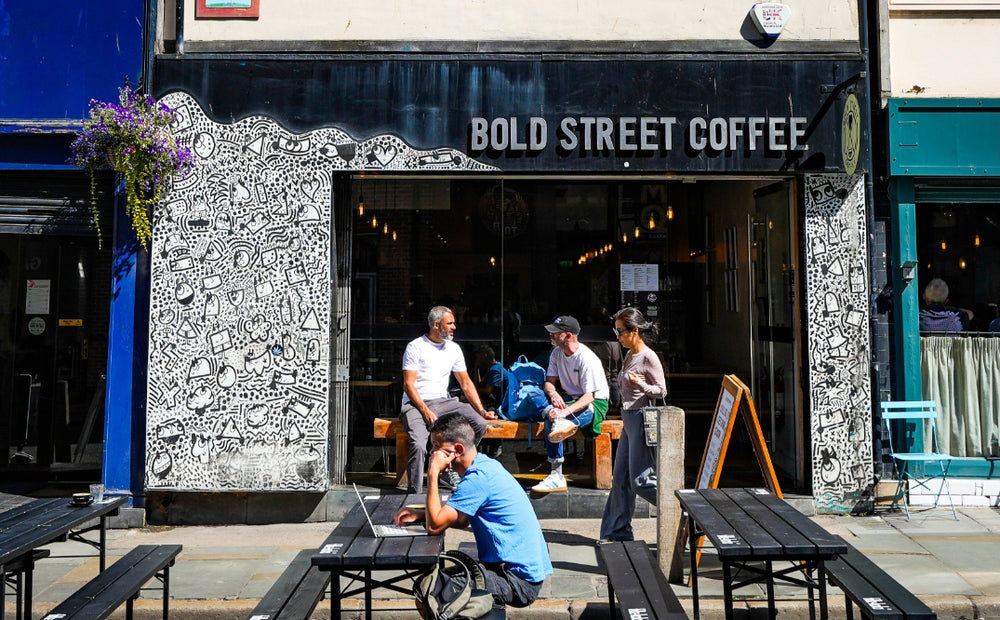
Bold Street, Liverpool
Bold Street Coffee,
89 Bold Street,
Liverpool, L1 4GD
Opening Hours:
Monday to Saturday: 8am – 6pm
Sunday: 9am – 5pm
In our original location, you can find Bold Street Coffee serving up signature breakfast dishes, sandwiches, and sweet treats, like doughnuts and pastries.
How to find us:
Head to St. Luke’s (locally known as the ‘Bombed-Out church’). You’ll find yourself at the bottom of Bold Street, where we’re just a couple of minutes walk up the road.
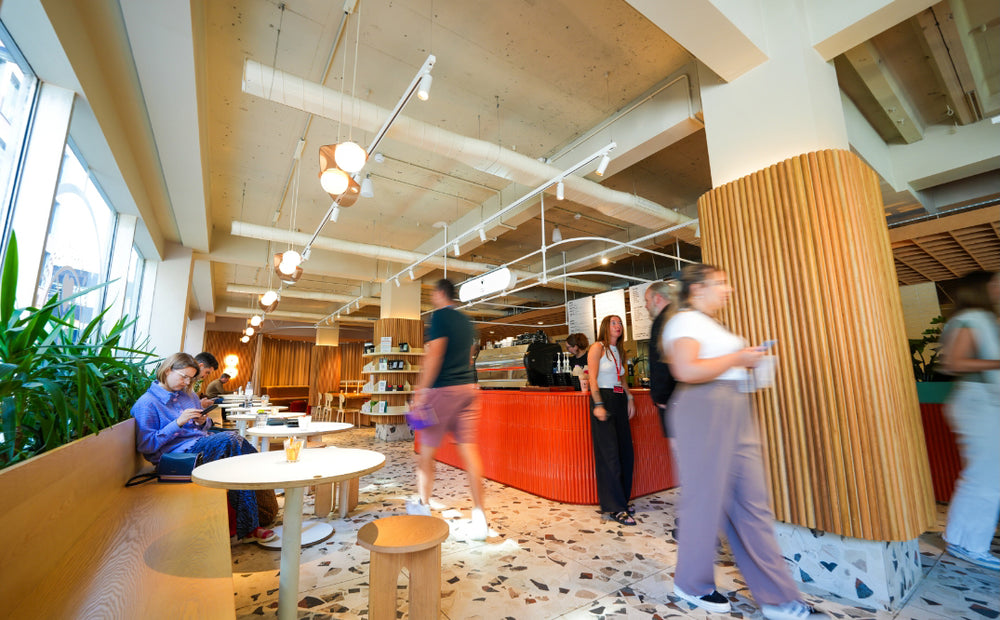
The Plaza, Liverpool
Bold Street Coffee, The Plaza,
100 Old Hall Street,
Liverpool, L3 4QJ
Opening Hours:
Monday to Friday: 7am – 6pm
Saturday and Sunday: 9am – 3pm
Fancy a full English breakfast in the heart of Liverpool’s business district? Our Plaza location brings the same quality coffee and breakfast options to professionals. We even offer a 20% discount to residents of The Plaza and Cotton Exchange!
How to find us:
Walk into The Plaza building on Old Hall Street, just a short trek from Moorfields Station.
Is high caffeine coffee just strong coffee?

Not exactly: when you’re looking at speciality, high caffeine coffee, there are two terms to keep in mind:
- Strong: Describes the concentration of dissolved coffee solids (TDS) or a darker roast profile that produces more bitter, intense flavours.
- High caffeine: Refers specifically to the alkaloid content of the bean.
So, you can have a ‘strong’ tasting dark roast that’s actually lower in caffeine, or a ‘light’ tasting filter coffee that packs a much higher caffeine punch because of the bean species.
At BSC, we think a bigger brew still needs balance. The sweet spot is coffee with the right flavour intensity (roast profile, recipe, and brew method) and caffeine level for your taste (coffee species, dose, and serving size).
What makes high caffeine coffee different?

1. Bean species matters
Arabica and Robusta behave differently as plants, and each brings different things to the cup.
Arabica is usually the speciality default because it offers a wide flavour range and often more acidity. Robusta tends to deliver more caffeine, crema in espresso, and a heavier impression on the palate.
The best high caffeine coffee tends to lean on high-grade Robusta, and certain high-altitude Arabicas are selected for their density.

2. Brew method changes the cup
Caffeine is highly water-soluble, but it takes time to extract. Espressos may have less total caffeine than a large mug of filter coffee because of the short contact time and small volume.
Brewing strong caffeine coffee via filter or French Press coffee can produce a dense, heavy brew that feels more intense. With home brewing, you have more control over caffeine than most people realise.

3. Caffeine shouldn’t replace flavour
A lot of high caffeine coffee is sold like a dare, but caffeine alone can’t carry the cup. Caffeine itself is bitter, so the challenge is balancing that natural bitterness with sweetness and acidity.
For a fuller brew that still tastes like Bold Street, we recommend staying close to our espresso range.
Shop Bold Street’s coffee favourites

Pulsa
Pulsa is our Brazilian espresso roast from the CARPEC Co-op in Cerrado, Minas Gerais.
It’s smooth and relaxed, with Red Catuai and IAC-99 in the varietal mix. You’ll get a lovely rounded sweetness in the cup, and it’s great if your home set-up is built around milk drinks or a morning espresso.

Los Pijao
Sourced from Colombia, this 100% Arabica bean is the natural place to start if you want a stronger-feeling brew from our range.
As a house espresso, Los Pijao maintains the flavour clarity of a high-altitude single origin, but still gives you a chocolate-led sweetness with enough depth to carry through milk.
FAQs
What coffee beans have more caffeine?
Robusta beans usually have the most caffeine. Arabica is typically the default speciality coffee, but Robusta naturally contains more caffeine per weight.
Does dark roast coffee have more caffeine?
Not in the way people often assume: dark roasts can have a heavier, stronger profile because the character is more developed.
But flavour intensity is not the same as caffeine content. If you want more caffeine, dose and serving size often matter more than roast level.
Is high caffeine coffee better for espresso?
Using a high-caffeine espresso blend is a great way to get a concentrated ‘kick’ in a small, fast serving.
Turns out, they love our coffee


